Theological education by extension across the Arab worldpteemail@ptee.org

Education where students live and minister

Extension study method

A student-centred system combining interactive self-study, weekly seminars, facilitated learning and practical ministry experience.
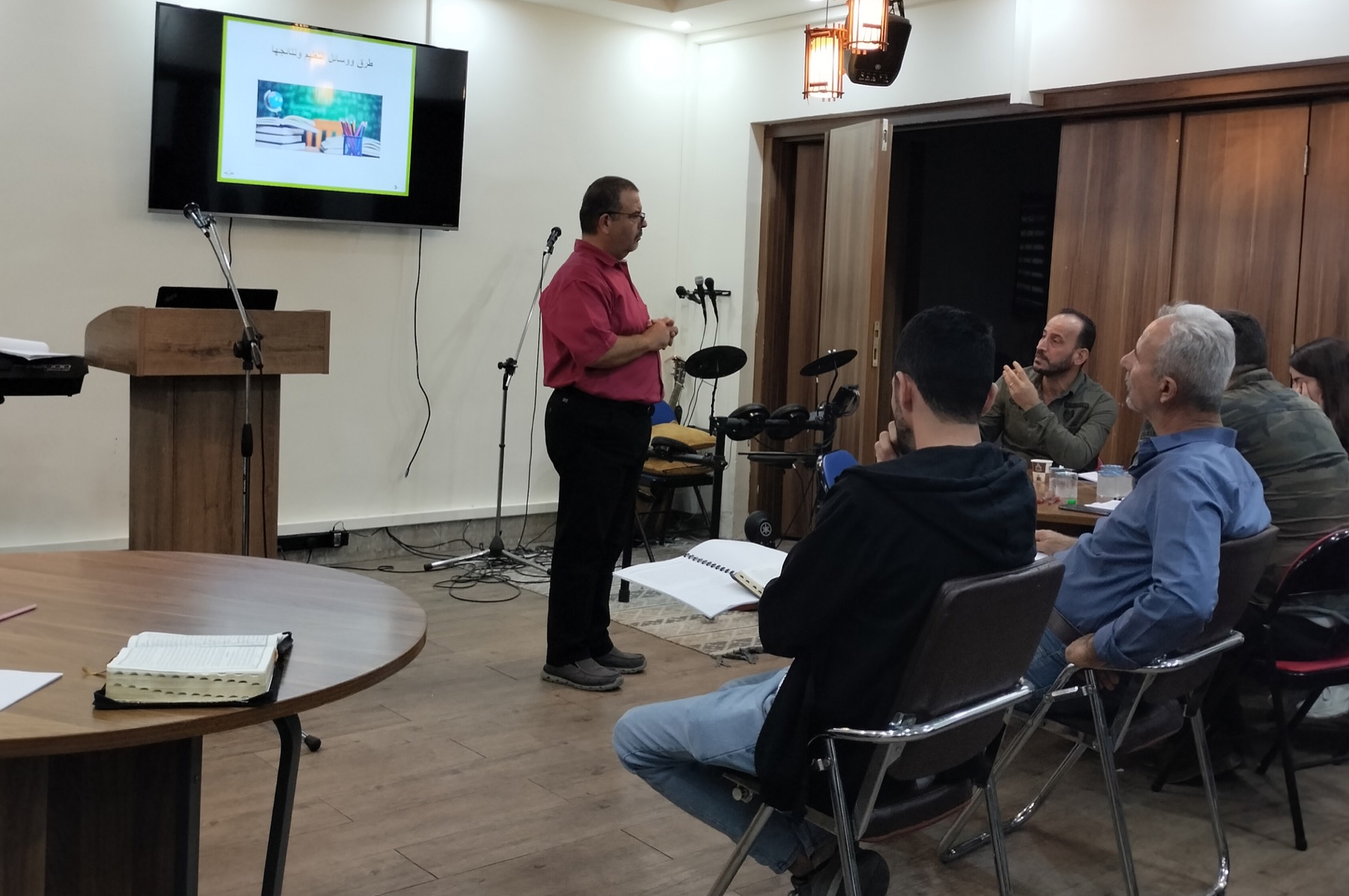
A PTEE facilitator training session
Facilitator training
01

The weekly course pattern

  • 12 weeks
  • 7–9 hours of interactive self-study each week
  • A weekly seminar lasting 2–2.5 hours
  • A group of 2–12 students according to the manual
  • A comprehensive examination, research project or both at the end
02

Three delivery channels

  • E-learning through Moodle, Microsoft Teams and Zoom
  • Mobile learning for Certificate of Ministry courses through GrowSpace and communication tools
  • Printed books and face-to-face local study
03

Three learning models

  • Traditional: printed books and a local face-to-face group, often within a church
  • Blended: multimedia e-learning content with a local face-to-face group
  • Fully online: content and group discussion online for students across cities and countries
04

Six principles

  • Leadership education on location
  • A curriculum responsive to churches and communities
  • High-quality interactive self-study materials
  • A weekly group seminar
  • Facilitators guide learning rather than lecture
  • Practical ministry links knowledge and action
05

The facilitator

Facilitators guide discussion, clarify concepts and encourage application. The manual lists a university degree, three completed PTEE courses and facilitator training, together with spiritual and ministry qualifications.

06

Practical ministry

Practical ministry represents about 10% of each award. Students serve weekly in an approved church setting and reflect with a supervisor. Forty hours of service equals one credit.

This page is based on the supplied Arabic academic manual. Confirm current scheduling, fees, specializations and any curriculum revisions with PTEE when enrolling.